
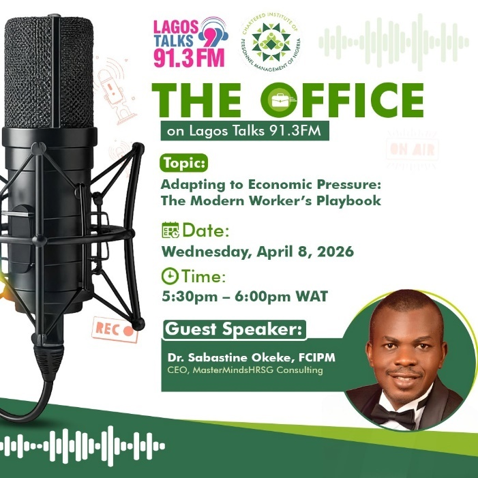
ADAPTING TO ECONOMIC PRESSURE: THE MODERN WORKER’S PLAYBOOK
Introduction
The average Nigerian worker faces mounting economic pressures driven by inflation, limited wage growth, and persistent local and global instability. Geopolitical tensions and domestic structural challenges have further increased the cost of living. In this environment, workers need practical strategies, deliberate mindset shifts, and institutional support to remain financially resilient, emotionally stable, and productive.
Understanding the Economic Pressure Facing Nigerian Workers
Even before recent tensions in the Middle East, the cost of living was already challenging for Nigerian workers. Although minimum wage adjustments were introduced, they fell short of expectations, while rising prices continued to erode their benefits, leaving many workers in much the same financial position as before.
Global tensions involving the United States, Israel, and Iran have added to these difficulties. Disruptions around the Strait of Hormuz have contributed to higher oil prices, increasing transportation and commodity costs. Consequently, workers face rising household expenses alongside growing responsibilities, including children’s education, healthcare, and supporting dependants. At the same time, employers continue to demand higher productivity and revenue growth, placing additional pressure on employees.
The Mindset Shifts Workers Need to Adopt
Economic uncertainty requires a deliberate playbook, a practical framework of strategies and actions for navigating difficult circumstances. Four mindset shifts are essential:
- Rethink and Re-strategise: Workers should assess their current circumstances, define realistic goals, and adjust personal and professional plans to reflect changing economic realities.
- Live Within Your Means: Financial pressure increases when individuals try to maintain lifestyles beyond their earnings. Spending should reflect present income, with intentional plans for future progress.
- Focus on Value Creation: Workers must continually evaluate the value they bring to their organisations and seek ways to improve their skills, performance, and personal effectiveness. Learning from success stories relevant to their circumstances can also inspire progress.
- Prioritise Well-being: Physical, emotional, and mental health must not be sacrificed to economic pressure. Workers should manage challenges with clarity, protect their inner peace, and remain healthy while navigating difficult periods.
Building the Modern Worker’s Playbook
Financial discipline, effective resource management, and adaptability are critical to achieving sustainability in an economy of rising living costs.
- Prioritise Essential Needs: Use a scale of preference to distinguish necessities from non-essential desires and direct limited resources towards what matters most.
- Spend According to Importance: Rank expenses by urgency and necessity rather than personal wants. Regularly reviewing spending helps reduce avoidable costs and encourages better financial decisions.
- Maximise Resources and Upgrade Skills: Make effective use of available resources while continually developing personal capabilities. Beyond soft skills, digital competence is increasingly important. Workers across professions should embrace technology-driven tools and systems, including AI-related capabilities, to remain relevant and improve productivity.
- Protect Your Mental Space: Avoid becoming overwhelmed by issues beyond your control. Although individuals cannot independently fix the national economy, they can strengthen household finances and take practical steps to reduce the impact of wider economic pressures.
- Develop Adaptability: Remain resilient and adjust to changing circumstances rather than becoming discouraged by temporary setbacks. The ability to adapt and prepare for changing conditions is essential during difficult economic periods.
Case Study: Managing a Monthly Income of ₦250,000
Consider a worker earning approximately ₦250,000 monthly who has little or nothing left after paying rent, transportation, and food expenses. The resulting financial strain is beginning to affect concentration and performance at work. Three practical interventions can help:
- Cooperative Societies: Workers can pool resources to purchase essential goods in bulk at reduced prices, minimise intermediaries, and share the resulting savings.
- Review Spending Priorities: Use budgeting or expense-tracking tools to understand where income goes. Reduce or adjust non-essential expenses and prioritise genuine economic value over social expectations or emotional preferences.
- Explore Sustainable Additional Income: Consider flexible weekend opportunities, online ventures, or other side activities that generate additional income without conflicting with primary employment, disrupting work-life balance, or causing burnout.
The Role of Employers, Unions, and Government
Building workforce resilience is a shared responsibility. Employers should actively engage employees and provide guidance on financial management, resource prioritisation, and effective time management. Where feasible, cost-of-living allowances, stipends, and similar benefits can ease immediate financial pressure. Flexible arrangements, including remote work and scheduled time off, can also reduce stress and improve well-being. Organisations should equip employees with the knowledge and tools to navigate economic challenges, encourage resilience and adaptability, and maintain consistent communication that reassures staff of leadership’s support. Involving employees in identifying solutions can strengthen collaboration and create a more supportive work environment. Union leadership should ensure that work structures, performance expectations, and organisational demands reflect prevailing economic realities, keeping workplace pressures realistic and humane. Government intervention also matters. Supporting local refining capacity, including the Dangote Refinery, could improve fuel availability and affordability, helping to reduce transportation and production costs across the economy.
Conclusion
The economic pressures facing Nigerian workers are complex and continually evolving. However, resilience can be strengthened through deliberate mindset shifts, disciplined financial management, value creation, skills development, and adaptability. These individual efforts must be complemented by meaningful support from employers, unions, and government institutions. Ultimately, navigating economic uncertainty requires shared responsibility to promote sustainability, preserve dignity, and secure long-term economic well-being.
This thought leadership piece was adapted from the April 2026 (Episode 5) edition of the CIPM Radio Show and represents the opinions expressed by the speaker during the session.