
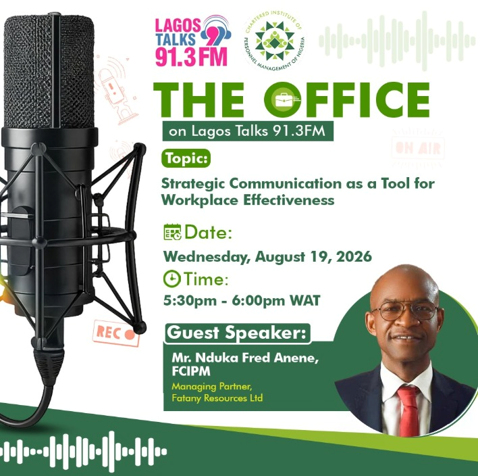
STRATEGIC COMMUNICATION AS A TOOL FOR WORKPLACE EFFECTIVENESS
Introduction
Strategic communication is the deliberate and coordinated use of organisational messages to achieve specific business objectives. Unlike everyday workplace communication, which involves routine information exchange, strategic communication ensures that messages are purposeful, audience-focused and aligned with organisational goals. It promotes clarity, trust, accountability and employee engagement by helping employees understand their responsibilities, organisational priorities and the reasons behind decisions. For organisations to communicate effectively, they must address challenges such as poor listening, unclear messages, information overload and employees’ reluctance to speak up. This requires appropriate communication channels, active feedback and an inclusive communication culture.
Strategic Communication versus Everyday Workplace Communication
Everyday workplace communication involves routine exchanges of information, such as emails, telephone calls, meetings and instructions. Strategic communication goes beyond simply passing information; it connects every message to a specific organisational objective and desired outcome. It requires careful consideration of what should be communicated, why it matters, who needs the information, which channels are most appropriate and what response or outcome is expected. For example, when introducing a new digital system, an ordinary approach would be to send employees an email announcing the change. A strategic approach would explain why the existing system needs replacement, the benefits of the new system and how the transition will affect employees. It would also provide training, address concerns, encourage feedback and monitor adoption. The difference lies in managing communication as a continuous process rather than a one-off announcement.
Communication as a Critical Factor in Workplace Effectiveness
Communication is fundamental to every organisational activity. Just as blood circulates nutrients throughout the human body, communication connects the different parts of an organisation and enables them to function effectively. Employees need clear information about their responsibilities, organisational objectives, deadlines, policies and performance expectations to deliver results. Effective communication creates clarity, trust and accountability. When employees understand what is expected of them, they are better positioned to perform their duties. Even a team of highly competent professionals can underperform if responsibilities, timelines and expectations are not clearly communicated. Team members may duplicate efforts, work at cross purposes or miss deadlines. In such situations, the problem is not a lack of competence but a breakdown in communication.
Common Challenges in Corporate Communication
Despite its importance, effective communication in the workplace is often undermined by several challenges:
- Poor listening: Failure to pay attention and understand what others are communicating.
- Unclear or ambiguous messages: Instructions that lack clarity, resulting in confusion and misinterpretation.
- Fear of speaking up: Employees may withhold ideas or concerns where leadership does not encourage openness.
- Poor leadership communication: Leaders who fail to listen, engage employees or provide timely feedback.
- Information overload: The constant flow of information from the internet, social media and AI makes it difficult for employees to identify and process what is relevant.
- Overdependence on digital communication: Excessive phone use, distractions and the absence of clear guidelines for managing digital communication can undermine workplace productivity.
- Differences in age, culture, language and communication styles: These can create misunderstandings and barriers to effective collaboration.
A critical distinction must be made between communicating and being understood. The objective is not merely to establish that a message was sent, but to ensure that its intended meaning was received. For instance, employees may overlook an important deadline buried in a lengthy email. Although management has communicated, effective communication has not necessarily taken place. Organisations must therefore address these barriers to prevent misunderstandings, disengagement and poor performance.
Managing Communication Channels and Employee Engagement
Organisations should establish clear communication policies that define which channels are appropriate for different messages and how they should be used. More importantly, communication must be two-way, allowing employees to receive information, express opinions, raise concerns and contribute ideas. Employee engagement thrives when people feel informed, heard, respected and connected to the organisation’s purpose. Employees who feel excluded or undervalued are less likely to demonstrate commitment, while those whose contributions are recognised develop greater confidence, self-esteem and motivation. Effective communication also helps employees understand not just what they do, but why their work matters. It creates opportunities for participation in decisions and reinforces a sense of belonging. As Ken Blanchard observed, real communication happens when people feel free. For example, rather than simply announcing a change in work schedules, management should explain the reasons for the change, discuss its implications and invite employee feedback. This inclusive approach encourages acceptance and cooperation because employees feel involved in the process. People are more committed to decisions they have helped shape. When employees are heard and included, they are more willing to give their best and support the organisation’s direction.
Conclusion
Strategic communication is not simply about sending messages; it is about ensuring that information is understood, meaningful and capable of producing the desired outcomes. Organisational leaders must communicate clearly, listen actively, encourage feedback and involve employees in decisions that affect their work. By aligning communication with business objectives and fostering a culture in which employees feel informed, valued and heard, organisations can strengthen employee commitment, manage change effectively, improve productivity and achieve sustainable workplace performance.
This thought leadership piece was adapted from the August 2026 (Episode 24) edition of the CIPM Radio Show and represents the opinions of the speaker during the session.